

Skin Barrier Repair: What It Is and How to Restore It
Your skin is more than a surface to care for. It is a functioning shield that protects you throughout the day, and the skin barrier is the layer that makes that protection possible. This delicate outer structure keeps moisture in and harmful irritants out. When it is healthy, your complexion feels comfortable, balanced, and resilient. When it is not, dryness, irritation, and breakouts tend to follow. Skin barrier repair is about helping this key layer recover, and it relies on a gentler, more patient approach.
Repairing a damaged skin barrier rarely means finding one miracle product. It means using well-chosen basics, removing stress from your routine, and staying consistent long enough for your skin to rebuild itself. Here is what changes when your barrier is compromised and how to get it back on track.
What Is the Skin Barrier?
The skin barrier is the outermost layer of the skin, and it relies heavily on lipids, or fats, to do its job. These fats sit between skin cells and act like a seal. A healthy lipid barrier keeps water from escaping the skin while blocking irritants from moving deeper. Because of this, the skin barrier is often described as the structure that keeps skin comfortable and resilient.
When the barrier is intact, your skin can better handle small daily stressors. It stays better hydrated, feels smoother to the touch, and looks more even. This is why so many routines now focus on barrier support rather than chasing quick results.
Signs of a Damaged Skin Barrier
When the barrier is compromised, the signs usually show up as changes in how skin looks and feels. Common indicators include:
Dryness or a persistent feeling of tightness
Redness and general irritation
Flaky, rough, or dull patches
Breakouts that appear even though your routine has not changed
Products that once felt gentle now causing discomfort
A damaged barrier cannot hold onto moisture as well, so skin loses water and becomes vulnerable to outside triggers. Irritation and breakouts often appear at the same time for this reason. If these signs show up together, shifting to a gentler routine is the right first step.

What Causes a Damaged Skin Barrier?
Most barrier damage develops gradually. Daily habits, product choices, and skin conditions all play a role. Bathing practices matter in both directions. Regular, gentle bathing helps remove irritants and dead skin cells so the skin barrier can repair itself, while harsh washing makes it harder for skin to recover. The type of cleanser also makes a difference, and non-soap cleansers, which are low in pH, are recommended for skin that is already vulnerable.
Your regimen may add to the problem without being obvious. Following a long routine with many products can challenge skin that is trying to heal. This is why simplifying is one of the most practical steps in skin barrier repair. For people with eczema, the skin barrier needs extra support, and gentle bathing paired with moisturizer is a central part of keeping it functional.
How to Repair a Damaged Skin Barrier
Skin barrier repair is built on three principles: gentleness, moisture, and consistency. Start with these habits and give them time to work.
1. Use a Gentle Cleanser
Cleansing sets the tone for the rest of your routine. Choose a gentle cleanser that removes buildup without over-washing the skin. Non-soap cleansers, which are low in pH, are often a better match for a damaged skin barrier. This applies to the face, body, and underarms. Switch to a gentle body and underarm cleanser if your skin is reactive in those areas.
2. Apply a Soothing Toner
After cleansing, skin is ready to accept the next layer. A soothing toner formulated with skin-repairing ingredients calms the skin and prepares it for the hydration that follows. Toner can also help restore the skin's balance after cleansing, so the rest of the routine performs better.
3. Add a Serum Before Moisturizer
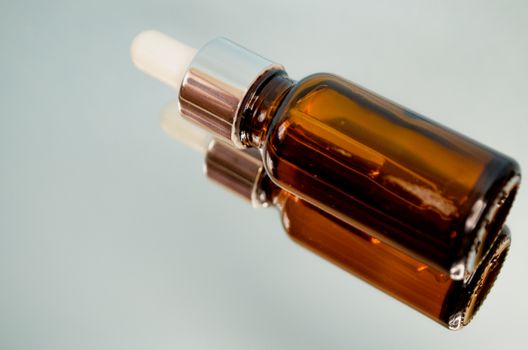
Serums deliver a concentrated layer of hydration, and they belong in a barrier-repair routine before your day or night moisturizer. Using a serum in that order helps maintain moisture levels while the skin recovers. Choose a hydrating formula that feels comfortable on your skin.
4. Pick a Barrier Cream With Skin-Repairing Ingredients
Moisturizer is the workhorse of barrier repair. To help maintain a healthy lipid barrier, Dr. Yadav recommends seeking out a skin barrier cream with hyaluronic acid and essential fatty acids. Hyaluronic acid draws water into the skin, while essential fatty acids support the lipid layer that keeps moisture from leaving. A barrier cream is especially useful when your current moisturizer no longer feels sufficient.
5. Reapply Moisturizer When Needed
One layer of moisturizer may not stay sufficient for a whole day while skin is healing. When your skin feels dry, reapply every 2 to 4 hours as needed. Reapplying keeps the barrier consistently supported instead of letting it dry out between applications.
6. Give the Barrier Enough Time to Heal
Barrier repair is not a quick fix. In some cases, full healing can take anywhere from 6 to 12 months. During that time, stick with gentle, nourishing products and resist the urge to switch products too often. Each switch introduces new ingredients and can set your skin back. Consistency is the single biggest factor in a successful repair journey.
What to Avoid During Skin Barrier Repair
Some habits can undo the progress made by a gentle routine. Simple adjustments make a bigger difference than adding yet another product. During skin barrier repair, avoid:
Switching products too often, which interrupts the skin's repair process
Cleansers that feel harsh or stripping while skin is vulnerable
A complicated regimen that gives skin too many variables at once
Abandoning a gentle routine before it has had time to work
A good sign that your plan is working is that your skin feels calmer after cleansing instead of tighter. If you want to introduce a new product, do so one at a time and see how your skin responds before you add another.

When to See a Dermatologist
Most damaged skin barriers respond to a gentle, consistent routine, but professional guidance is sometimes necessary. If your skin continues to feel worse despite simple care, or if irritation, breakouts, or dryness are severe enough to interfere with daily comfort, a dermatologist can identify what is blocking recovery. Barrier repair takes time, and a doctor can help you tell the difference between normal healing and a condition that needs treatment.
Frequently Asked Questions
How long does skin barrier repair take?
Barrier repair is rarely quick. Some people notice improvements within a few weeks of switching to a gentle routine, while others need much longer. In some cases, full healing takes 6 to 12 months, particularly if the damage was caused by strong products or underlying skin conditions. Consistency is the key variable. Switching products too often can extend the healing period.
What is the best way to restore a damaged skin barrier?
The most dependable approach combines a gentle, low-pH cleanser with a soothing toner, a hydrating serum, and a barrier cream that includes hyaluronic acid and essential fatty acids. Regular gentle bathing removes irritants and dead skin cells so skin can repair itself, and reapplying moisturizer every 2 to 4 hours helps when skin feels dry. Simplify the routine and stick with it.
Can a damaged skin barrier cause breakouts?
Yes. When the skin barrier is compromised, irritants pass into the deeper layers more easily and breakouts often follow. Dryness and irritation also change the surface of the skin, so your normal routine may suddenly seem less effective. Instead of adding more products to treat breakouts, most guidance points to simplifying the regimen and giving the barrier time to repair itself first.
Should I stop using active skincare ingredients during skin barrier repair?
If your skin is clearly reactive, cutting back on active ingredients is usually sensible, because a damaged barrier has less ability to tolerate strong formulas. Some people even find that an ingredient that normally works well, such as niacinamide, adds to the irritation during this fragile phase. Keep your routine as mild as possible, and only reintroduce actives once your skin feels comfortable again.
Sample Block Quote
“I’m very proud of my skin and face, and I have no problem not wearing makeup. I don’t wear makeup because I feel like I need to cover myself up or because I don’t feel confident. I wear makeup because it’s fun; it’s like painting on my face.” Zenplaya


